
Understanding Perfume Concentrations: From Eau Fraîche to Extrait de Parfum
When shopping for a fragrance, you’ve likely noticed terms like Eau de Toilette, Eau de Parfum, and Extrait de Parfum on bottles. But what do they really mean? The answer lies in concentration: the percentage of pure fragrance essence in a formula.
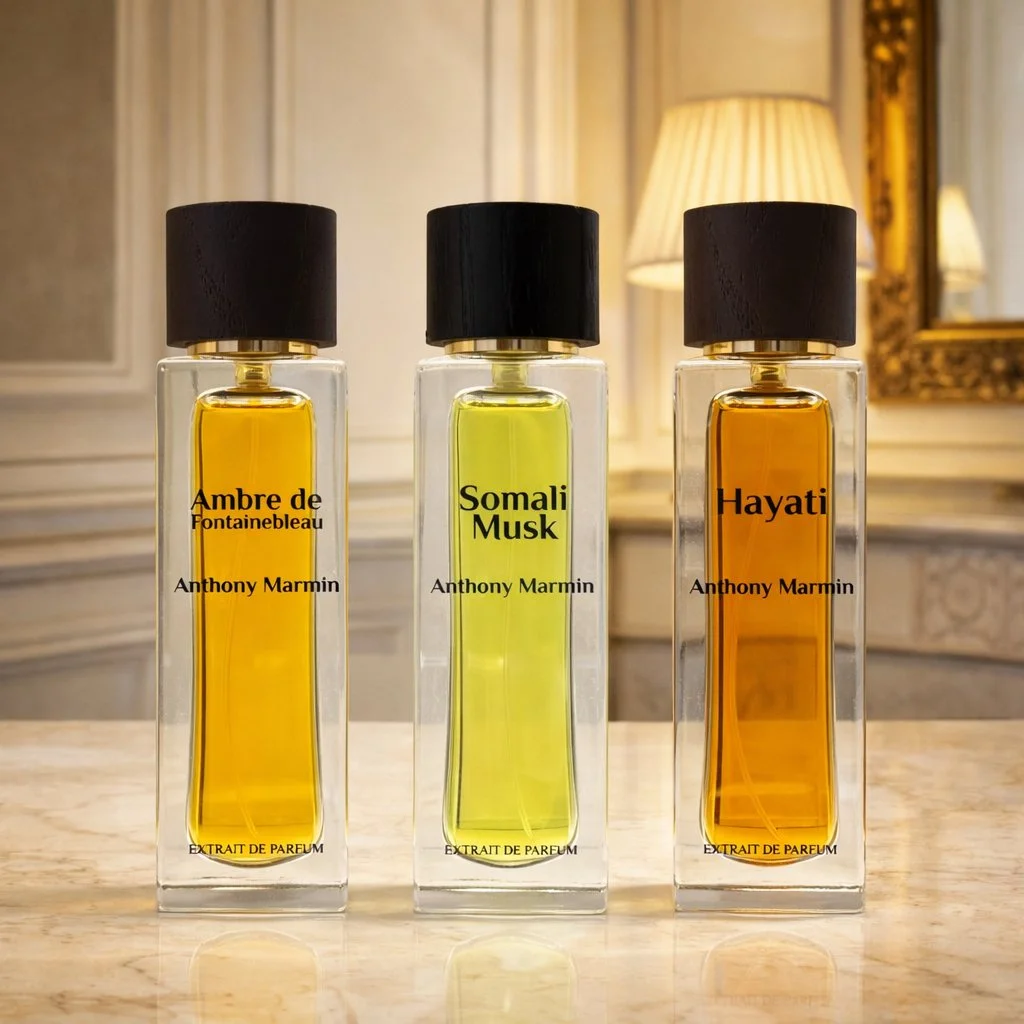
In this guide, we’ll explain the different perfume concentrations, why their definitions may vary, and why our perfume sprays are crafted as Extrait de Parfum with over 20% concentration, the ideal balance of luxury, intensity, and wearability.
The Truth About Perfume Concentrations
There is no single universal standard that defines exactly where Eau de Toilette ends and Eau de Parfum or Extrait de Parfum begins. Concentration ranges vary between perfumers, brands and traditions.
As a general reference:
Eau Fraîche: approximately 1–3%
Light and refreshing, with a relatively low concentration of aromatic materials.
Eau de Cologne: approximately 2–5%
Traditionally fresh and often citrus-led, with a light presence.
Eau de Toilette: approximately 5–15%
Usually lighter in concentration, with greater emphasis on freshness and diffusion.
Eau de Parfum: approximately 15–18%
Generally fuller and more concentrated, with greater depth and persistence.
Extrait de Parfum — approximately 18–40% or more
Among the most concentrated forms of alcohol-based perfume, although the exact percentage varies considerably between compositions and houses.
These figures are indicative rather than fixed standards. Concentration alone does not determine how powerful or long-lasting a fragrance will feel. A citrus composition at a higher percentage can still feel lighter than a dense oud or amber composition at a lower one.
Formula, materials, volatility and structure all influence the final experience.
Why Our Perfume Sprays Are Extraits de Parfum
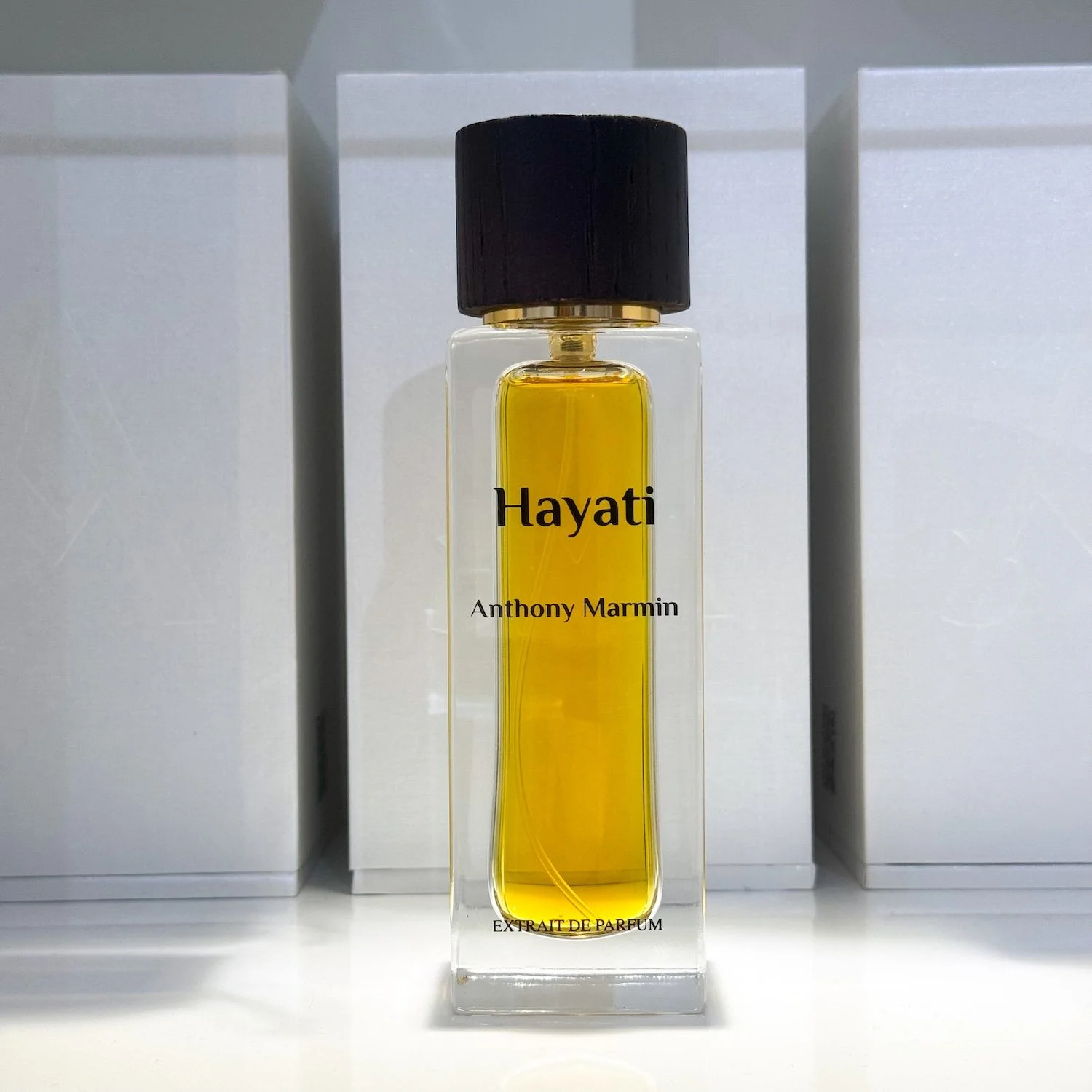
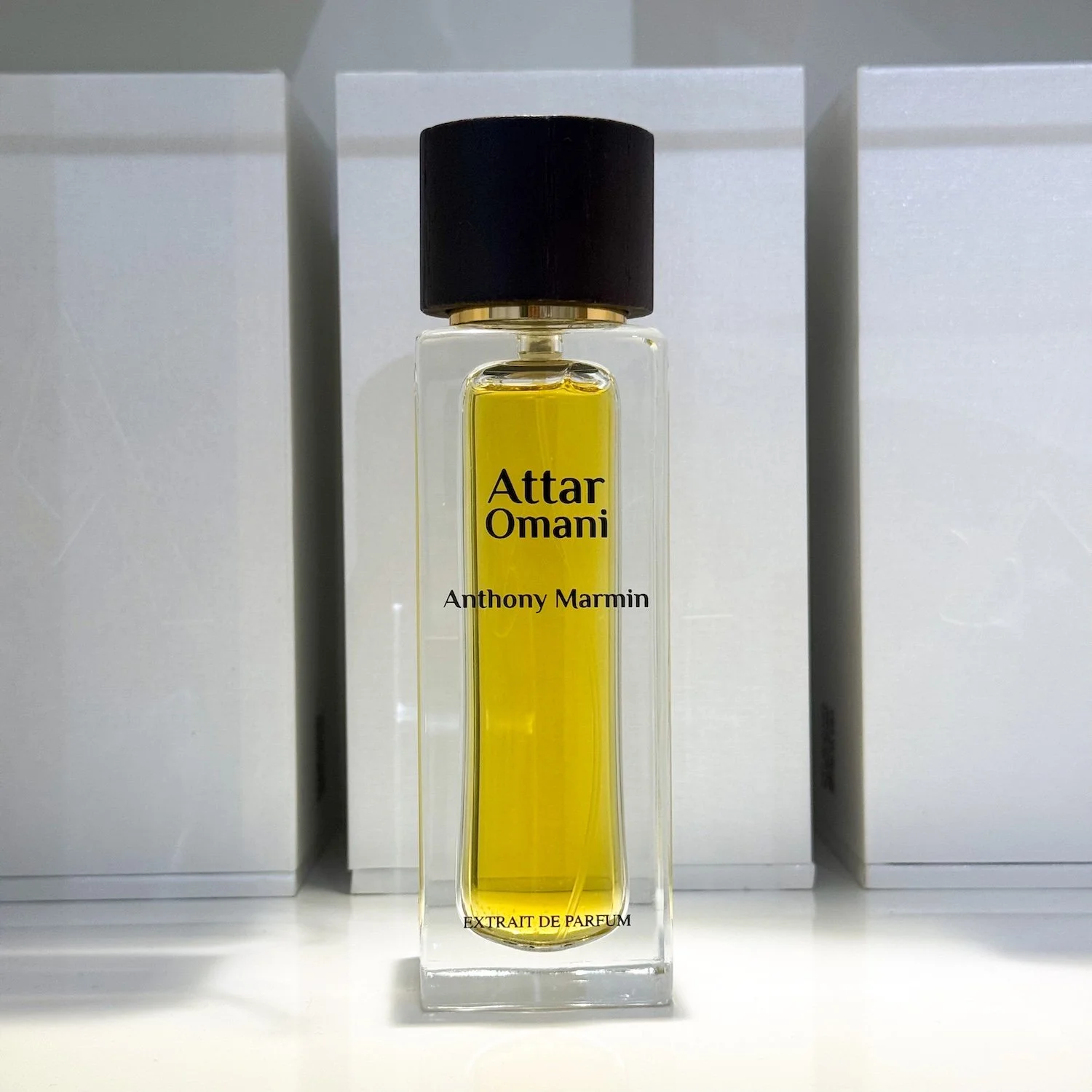
Maison Anthony Marmin’s spray fragrances are composed as Extraits de Parfum at concentrations above 20%.
This format allows us to preserve richness and depth while introducing the diffusion associated with an alcohol-based perfume. The objective is not concentration for its own sake, but the balance between presence, structure and the character of the original composition.
Several of our Extraits began as perfume oils before being reinterpreted for spray. The oil remains the foundation; the Extrait expands the composition into the surrounding air.
Final Thoughts
Perfume concentration is a useful reference, but percentage alone does not determine quality, performance or character.
What ultimately matters is the composition itself: the materials, their balance, the way the perfume diffuses and how it evolves on the skin.
Concentration is part of the formula. It is not a measure of artistry.
