Osmanthus in Perfume
Osmanthus is one of perfumery’s most distinctive floral materials.
Its scent combines floral softness with fruity facets reminiscent of apricot and peach, alongside tea-like, honeyed and subtly leathery nuances.
This unusual combination allows osmanthus to bring both brightness and texture to a composition, creating a natural connection between flowers, fruits, woods, leather and amber.
Where Osmanthus Comes From
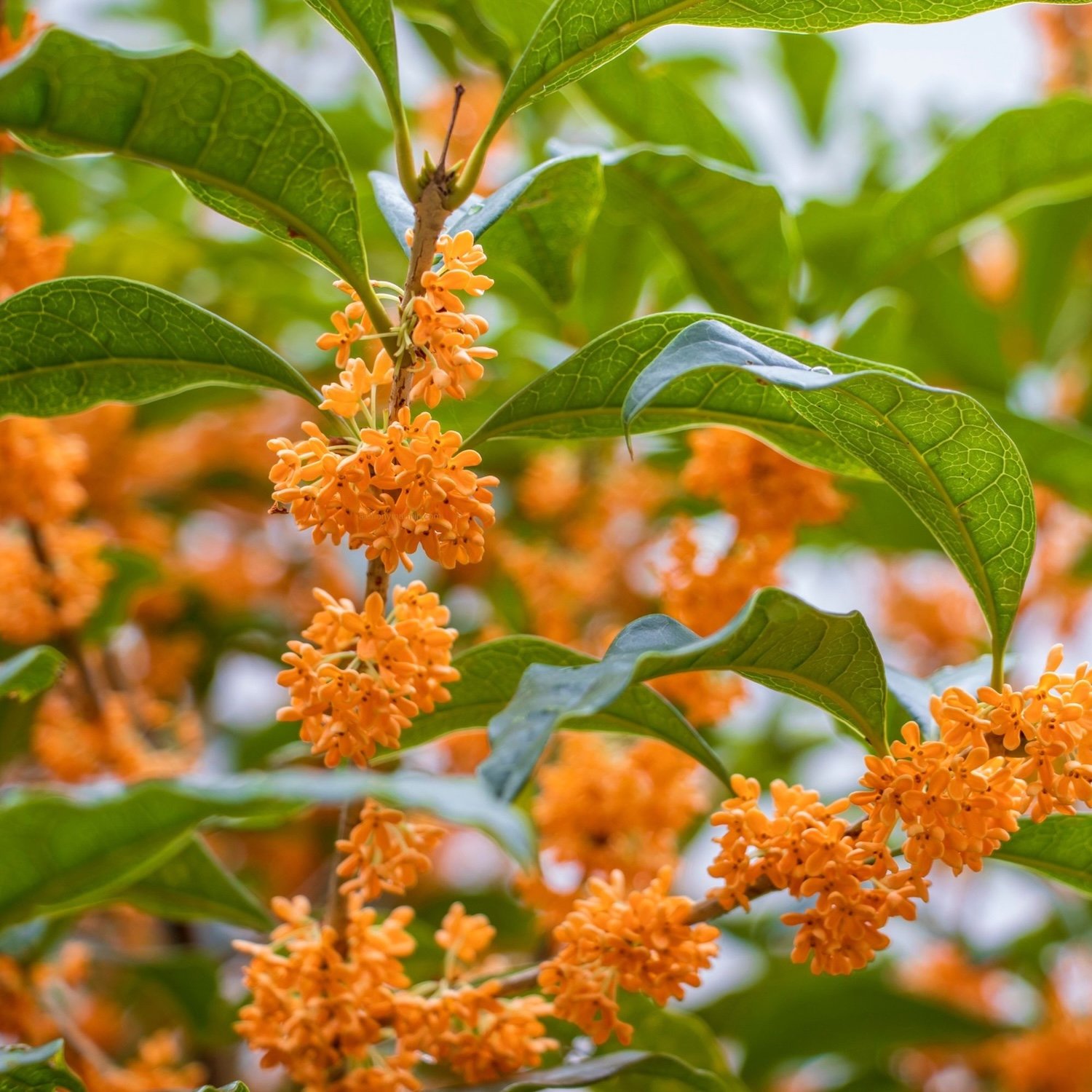
Osmanthus fragrans is native across parts of East and Southeast Asia, with a natural range extending from the Himalayas through China and Indochina to southern Japan.
It has become particularly associated with China, where the intensely fragrant flowers have long been cultivated and appreciated for their distinctive aroma.
For perfumery, the interest lies in the flowers themselves, whose scent combines floral, fruity and subtly leathery facets.
What Osmanthus Smells Like
Osmanthus has a complex floral-fruity character with several recognizable facets:
Apricot and Peach: soft, ripe and velvety.
Honeyed: warm and gently sweet without becoming overtly gourmand.
Tea-like: fresh and slightly aromatic.
Suede-like: a subtle leathery facet gives the flower depth and texture.
The contrast between ripe fruit, floral softness and a delicate leathery nuance is what gives osmanthus its distinctive character.
What Osmanthus Does Inside a Perfume
Osmanthus can play several roles within a composition.
With amber and woods, its fruity-floral character can introduce brightness and soften denser materials.
Alongside leather or suede-like notes, its naturally leathery facet can create continuity without making the composition overtly dark or smoky.
Its apricot-like character can also connect fruity openings with warmer floral, woody or ambered structures.
Used with restraint, osmanthus often works less as a dominant note than as a material that changes the texture and transition of the composition.
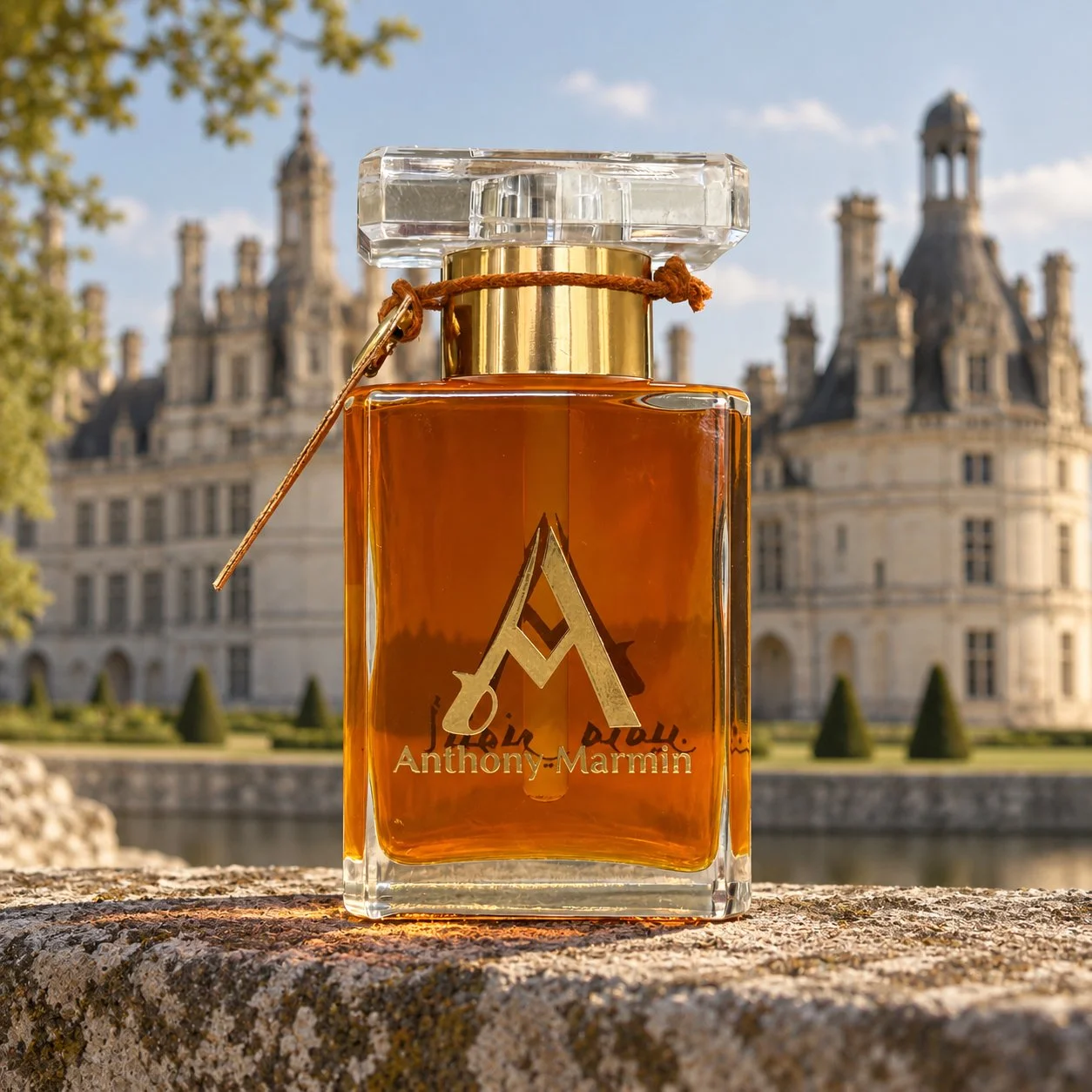
Osmanthus in Ambre de Chambord
In Ambre de Chambord, osmanthus opens alongside neroli before the composition develops through French florals, vanilla and amber.
Its apricot-like facet introduces a soft fruity character, while its subtle leathery nuance adds texture beneath the floral opening.
As the perfume develops, osmanthus helps connect the brightness of neroli with the warmer vanilla and amber structure, allowing the transition from fruit and flowers to amber to feel continuous rather than abrupt.