Patchouli in Perfumery
Patchouli is one of perfumery’s most recognizable materials. Earthy and woody at its core, it can also reveal green, camphoraceous, leathery, smoky or subtly sweet facets depending on its origin, extraction and treatment.
Its versatility allows it to play very different roles within a composition: providing depth and structure, creating contrast, or becoming a central olfactory theme in its own right.
What does patchouli smell like?
Patchouli has a distinctive earthy and woody character, but its profile can vary considerably according to origin, distillation and ageing.
Earthy: damp soil, roots and dark vegetal facets are among its most recognizable characteristics.
Woody: dry and grounding, giving structure and depth to a composition.
Green and Camphoraceous: fresher patchouli oils can reveal leafy, herbal and slightly medicinal nuances.
Sweet and Balsamic: with ageing or particular treatments, patchouli can become smoother, warmer and subtly sweet.
Leathery and Smoky: darker qualities can introduce dry leather, tobacco-like or smoky facets.
In Ambre de Versailles, patchouli supports the ambered structure, bringing depth and contrast to the warmer facets of the composition.
What are the Origins of Patchouli?
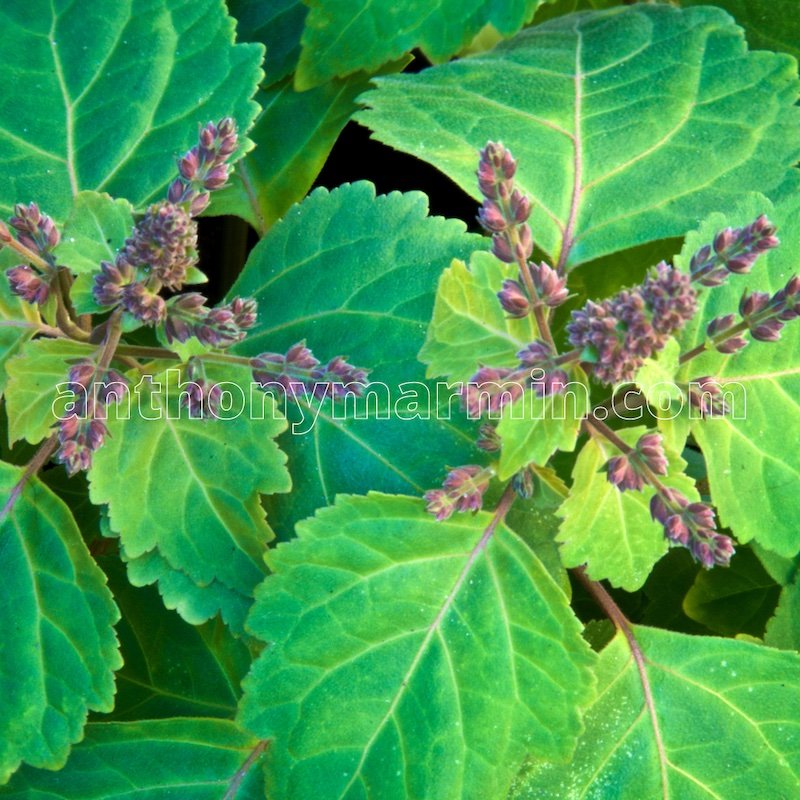
Patchouli has its origins in tropical Southeast Asia and has long been cultivated across the region for its aromatic leaves.
Its distinctive scent became familiar in Europe during the nineteenth century through imported Indian shawls and textiles. Patchouli leaves were traditionally placed among fabrics partly for their insect-repellent properties, leaving the textiles with a characteristic aroma.
As these fabrics became desirable in Europe, their scent became associated with them as well. Patchouli subsequently entered European perfumery and developed into an important material in fragrance composition.
Today, patchouli is cultivated in several tropical regions, with Indonesia remaining particularly associated with its production.
How Is Patchouli Oil Obtained?
Patchouli essential oil is generally obtained by steam distillation of the plant’s leaves, which are typically dried before extraction.
The resulting oil can vary significantly according to the origin of the plant, the preparation of the leaves, the distillation and the way the material is aged or treated afterward.
Ageing can also modify the olfactory profile of patchouli, allowing some sharper or greener facets to soften while deeper woody and balsamic nuances become more apparent.
At Maison Anthony Marmin, we select patchouli oils according to the character they bring to the composition, whether earthy and dark, dry and woody, or smoother and more rounded.
Final Thoughts
Patchouli is far more varied than its familiar earthy reputation suggests.
Depending on its origin, treatment and role within a formula, it can bring dryness, darkness, freshness, warmth or texture to a composition. Its value lies in this versatility and in the structure it can give to the materials surrounding it.
For the perfumer, patchouli is not simply a base note. It is a material capable of changing the balance and character of the entire composition.