Honey in Perfumery
Honey is one of perfumery’s most distinctive olfactory ideas. Its character can move from floral and nectar-like to waxy, balsamic, gourmand or distinctly animalic.
In a composition, honey can bring sweetness, warmth and texture, but its interest lies in more than sweetness alone. Used with measure, it can create contrast with flowers, woods, leather, musk and other materials.
Honey and Perfumery
Honey has been associated with aromatic preparations since antiquity, including ointments and ritual preparations in ancient cultures.
In modern perfumery, a honey note is usually constructed through composition rather than by simply adding the honey used as food. Different aromatic materials can be combined to evoke its floral, waxy, warm, sweet or animalic facets.
How Is a Honey Note Created in Perfumery?
A honey note is generally created through composition rather than from a single material.
Perfumers can combine materials with floral, waxy, balsamic, sweet and animalic facets to evoke different aspects of honey. Depending on the desired effect, the result may feel light and nectar-like, dark and animalic, or rich and gourmand.
Certain aromatic molecules can contribute characteristic honey facets, while floral materials, resins, tobacco-like notes or beeswax effects can add further texture and complexity.
The objective is not necessarily to reproduce honey literally, but to use its different olfactory facets as part of the composition.

What Does Honey Smell Like?
Honey is a complex olfactory idea whose character can vary considerably depending on how it is interpreted in a composition.
Floral: nectar-like, luminous and reminiscent of blossoms and pollen.
Waxy: soft, dense and slightly fatty, recalling beeswax and honeycomb.
Gourmand: rich and sweet, with facets that may suggest caramel, toffee or dried fruit.
Balsamic: warm, resinous and rounded, often blending naturally with amber, woods and spices.
Animalic: darker honey effects can reveal earthy, leathery or slightly fermented nuances that bring depth and tension to a perfume.
This range is what makes honey particularly interesting to a perfumer: it can express sweetness without being merely sweet.
Honey in Modern Perfumery
Honey can play very different roles depending on the composition surrounding it.
In gourmand perfumes, its sweet and waxy facets can deepen materials such as vanilla, cacao or dried fruits.
With flowers such as rose, jasmine or orange blossom, honey can emphasize nectar-like aspects and add warmth without necessarily making the composition overtly gourmand.
In amber and woody compositions, its balsamic character can connect naturally with resins, spices, leather and woods.
Used differently, honey can also reveal darker animalic or slightly fermented facets, bringing contrast and complexity to the perfume.

Honey Fragrance
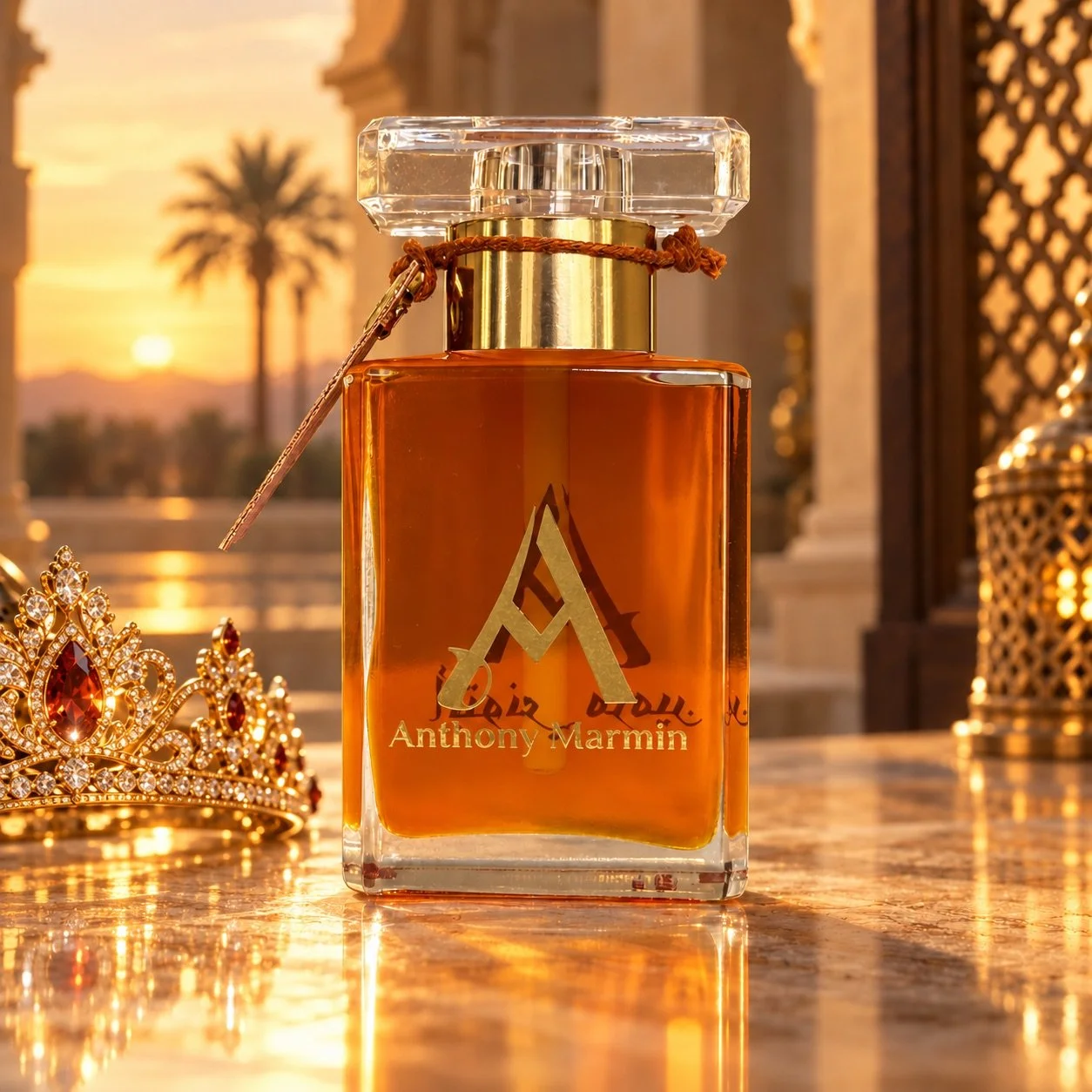
Honey appears in several Maison compositions, where its character changes according to the materials surrounding it.
In Malikat Saba, honey is paired with saffron and sweet facets before developing into a richer composition of vanilla and Yemeni bakhoor.
Here, honey brings warmth and texture while connecting the sweeter opening with the deeper, smoky character of the composition.